
Foundation alternatives

Alternatives to
ground screws.

Ground screws are one option, not the answer to every job. The best foundation is the one that fits the building, the ground, access, floor design and any approvals needed.

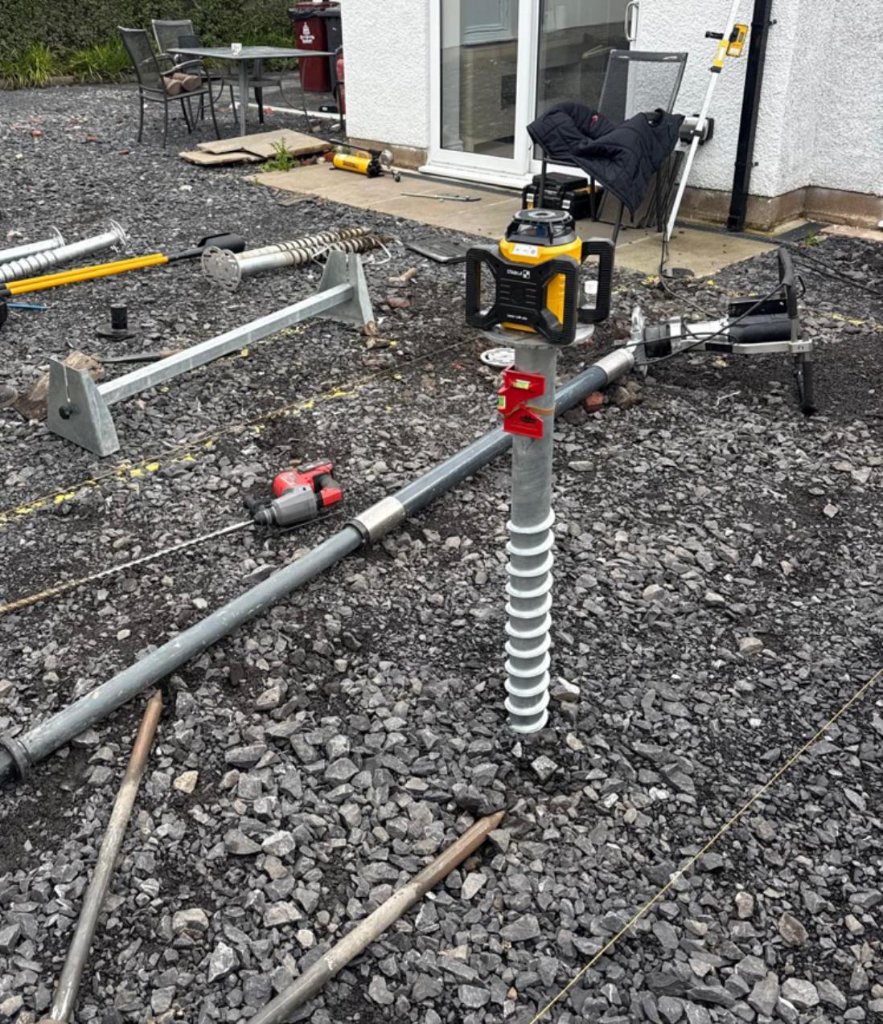
Ground screw foundation installation equipment on a project site
Choose by the project, not the trend
Foundation options

Six common ways to support a building.

Each option has jobs it suits well and jobs where another foundation makes more sense.

01

Ground screws

Steel foundation points installed directly into the ground. They can mean less digging and no wait for concrete to cure.

02

Concrete pads

Individual concrete supports under beams, posts or frames. They can work well where the building and ground suit pad foundations.

03

Strip / trench foundations

Continuous concrete foundations commonly used under walls and traditional buildings.

04

Raft / slab foundations

A large concrete base that spreads the building load over a wider area and can also form part of the floor.

05

Piled foundations

Driven, bored or specialist piles carry loads deeper into the ground when shallow foundations are not suitable.

06

Other engineered options

Some jobs need a bespoke or mixed foundation because of unusual loads, difficult ground, access or an existing building.

When ground screws may not be best

A good supplier should tell you when not to use them.

Ground screws work best when the building can sit on individual support points, the site can be reached with the installation equipment and the ground suits the chosen screws.

If that is not the case — or the building needs a slab, continuous wall foundation or another piling method — a different foundation may be the better engineering and commercial choice.

That is why Forti Nova explains both the benefits and the limits rather than claiming ground screws are always better.

Before you choose

Six questions before choosing a foundation.

How much load needs supporting?

The foundation has to carry the actual weight and forces from the building.

What is the ground like?

Soft ground, fill, rock or obstructions can change which foundations are practical.

Can the equipment get in?

Excavators, piling rigs and ground screw machines all need different access.

Does the building need a slab?

If the floor needs a full concrete slab, a continuous concrete foundation may make more sense.

What paperwork is needed?

Building Control, warranty providers, designers or clients may ask for particular information.

What is the full cost?

Compare digging, materials, labour, delivery, fixings, testing and build time — not one material price.

Foundation alternatives FAQs

Alternative foundation questions, answered.

Straight answers on concrete pads, screw piles, when ground screws may not fit and how to choose a foundation.

01

What are the alternatives to ground screws?

Alternatives include concrete pads, strip or trench foundations, concrete slabs or rafts, driven or bored piles and other specialist piling systems. The right option depends on the building, the ground, site access, build time and any approval requirements.

02

When are ground screws not suitable?

Ground screws may not suit a job if the ground or building loads are outside what the screw system can handle, rock or other obstructions stop installation, or the building needs a full slab or continuous foundation.

03

Are concrete pads an alternative to ground screws?

Yes. Concrete pads can create individual support points under beams or posts. They need digging and concrete, while ground screws are installed directly into the ground. Compare the full job for the same building and site.

04

What is the difference between ground screws and screw piles?

The names overlap, but the products can be very different. Ground screws, screw piles and helical piles can differ in shaft size, helix shape, heads, installation equipment and the loads they are designed to carry. Do not assume they are interchangeable.

Compare technical specifications
05

How do I choose the right foundation type?

Start with what you are building and the loads it creates, then look at the ground, access, build time and any approvals needed. Compare the options for the actual job rather than choosing on price or speed alone.

Start with the foundation guide
Foundation decision

Want to know whether ground screws actually fit?

Send the structure, dimensions, postcode and site information you have.

Discuss the foundation