
01
Are ground screws suitable for all soil types?
No. Ground screws can work in many ground conditions, but no structural foundation suits every site. The screw size, depth and installation method need to match the actual ground and the building.
A postcode or soil label cannot tell you the right ground screw. The building and the actual ground at the site both matter.
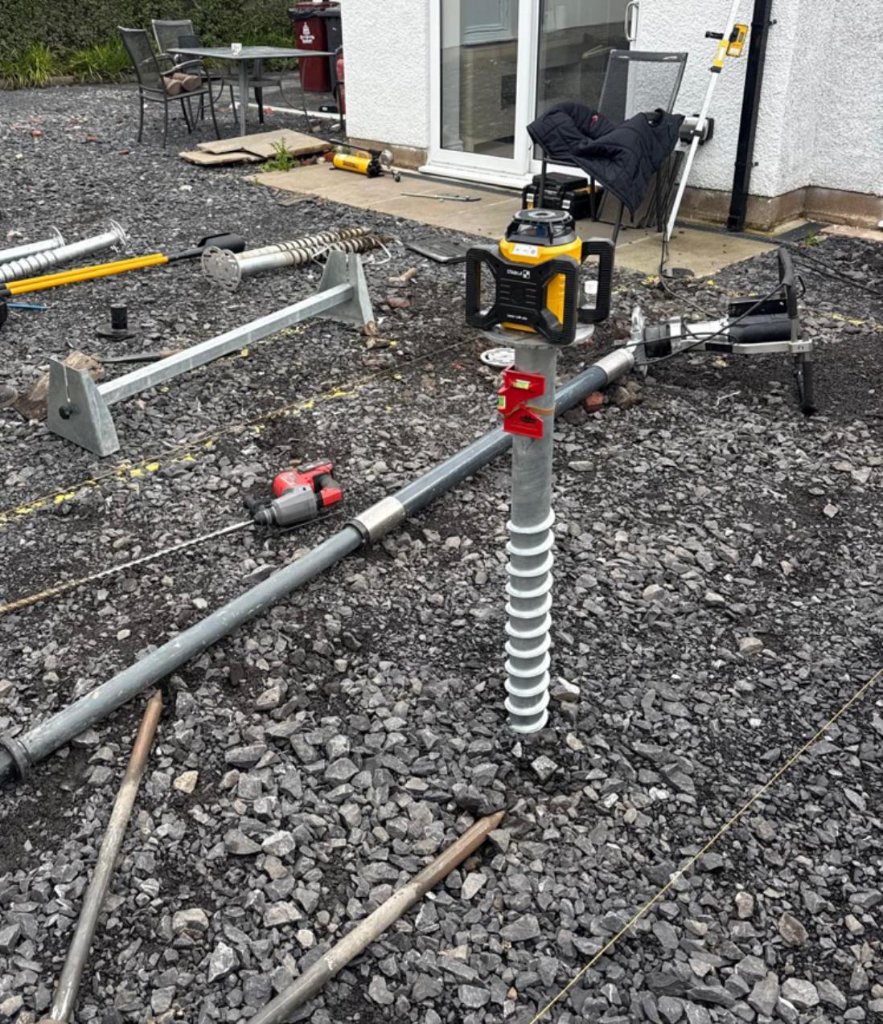
These are general pointers, not automatic yes-or-no answers. The actual site still needs to be considered.
Clay conditions can vary a lot with depth, moisture and local geology. Avoid selecting screw depth from a regional stereotype.
Sand, silt and gravel can behave very differently depending on how dense, wet or layered the ground is and the shape of the screw being used.
Fill and previously disturbed ground can be inconsistent. The job may need more information or testing before it is used to support a building.
Boulders, rubble or shallow rock can obstruct the intended screw path and may require a different installation or foundation approach.
Water conditions do not automatically rule ground screws in or out, but they form part of the site and durability considerations for the chosen system.
Ground can change over a short distance. Do not assume every screw position will behave exactly the same.
Any ground report or previous site information can help show what is below the surface.
Old buildings, filled areas, excavations, services and drainage can all affect the ground.
The way the screw installs can provide useful information on some systems and projects.
If rock, rubble or soft areas are found, the plan may need to change rather than forcing the original layout.
Ground conditions can change from one property to the next, even within the same town or street.
Our local pages tell you where we work. This guide explains how the ground itself can affect screw size, depth and installation.
View UK coverageStraight answers on clay, rock, made ground, wet sites and what can affect ground screw installation.
No. Ground screws can work in many ground conditions, but no structural foundation suits every site. The screw size, depth and installation method need to match the actual ground and the building.
Ground screws can work in clay, but clay varies in strength, moisture condition, depth and behaviour. The project should be based on the actual site rather than a blanket claim that all clay is suitable.
Rock, large stones, buried rubble or shallow bedrock can make installation difficult or stop a screw reaching the depth it needs. In some cases a different screw or a different foundation type will be better.
Made or filled ground can vary a lot, even across a small area. The job may need more information, testing, deeper screws or a different foundation depending on what is found.
Start with what the building needs to carry and anything already known about the ground. Then check access and the screw options. Some jobs can be assessed from existing information; others may need testing or more investigation.
Read the foundation guideSend it with the building details and postcode so we can use it when reviewing the foundation.
Privacy controls
Necessary storage keeps the website working. With permission, advertising and analytics storage helps us understand which campaigns generate genuine foundation projects. Rejecting optional storage will not affect the website or your ability to enquire.
Privacy policy